Mastering the Wine, Vineyard, Winery Logo Icon for Professional Branding
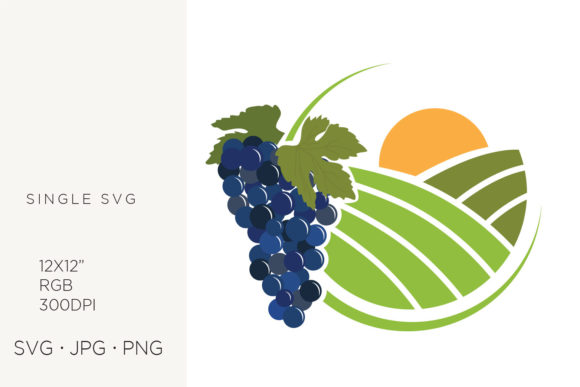
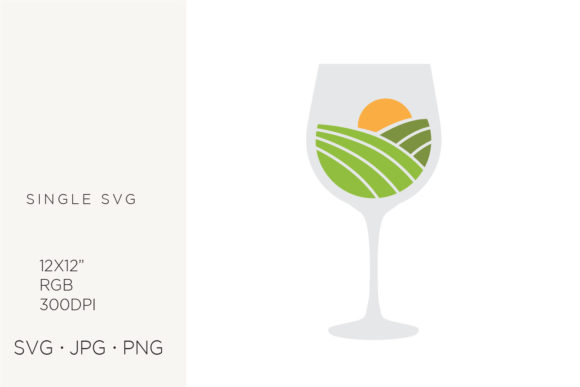
In the competitive landscape of viticulture and beverage marketing, visual identity is not merely an aesthetic choice; it is a fundamental component of brand communication. The Wine, Vineyard, Winery Logo Icon serves as the cornerstone of this identity, encapsulating the essence of terroir, craftsmanship, and tradition in a single graphic element. Whether you are launching a boutique winery, designing labels for a new vintage, or creating digital assets for a wine blog, understanding the technical and artistic nuances of these icons is crucial. Many creators overlook the importance of high-quality source files, leading to branding inconsistencies that can dilute professional perception. By focusing on precision, versatility, and proper file management, you can ensure your visual assets perform flawlessly across all mediums.
The Critical Importance of Vector Origins
A common misconception among beginners and even some seasoned marketers is that any image of a grapevine or wine glass suffices for logo usage. This approach often leads to significant quality degradation when the image is scaled. The superior approach involves utilizing graphics created in vector programs like Adobe Illustrator. Vector graphics are mathematically defined, meaning they can be scaled infinitely without losing resolution. When you acquire a Wine, Vineyard, Winery Logo Icon generated from a vector source, you are securing the flexibility needed for diverse applications.
Consider the difference between a raster image and a vector file. A raster image, such as a standard JPEG, is composed of pixels. If you attempt to enlarge a small pixel-based icon for a large format print, such as a banner or wall art, the image becomes pixelated and blurry. In contrast, a vector-based SVG (Scalable Vector Graphics) file remains crisp and sharp regardless of size. This distinction is vital for maintaining a premium brand image. For instance, if you plan to use the icon on both a small business card and a large storefront sign, starting with a vector ensures consistency. Without this foundation, you may find yourself needing to commission a redesign later, incurring unnecessary costs and delays.
Navigating File Formats: SVG, JPG, and PNG
Understanding the specific roles of different file formats is essential for efficient workflow and high-quality output. A comprehensive digital graphics package typically includes three key formats: SVG, JPG, and PNG. Each serves a distinct purpose in your design ecosystem.
- SVG (Scalable Vector Graphics): This is your master file for scalability. It is ideal for web design, responsive layouts, and any situation where the logo needs to be resized dynamically. Because it is code-based, it loads quickly on websites and remains sharp on high-resolution retina displays.
- PNG (Portable Network Graphics): This format supports transparency, making it indispensable for overlaying your logo on colored backgrounds, photographs, or textured paper items. Unlike JPGs, PNGs do not have a white background box around the icon, allowing for seamless integration into invitations, stationery, and party decor.
- JPG (Joint Photographic Experts Group): While lacking transparency, JPGs are universally compatible and highly compressed. They are suitable for social media profiles, email signatures, and scenarios where file size is a concern and a solid background is acceptable.
Failing to utilize the correct format for the intended medium is a frequent error. For example, using a JPG with a white background on a dark-colored wine label creates an unprofessional "sticker" effect. Conversely, attempting to use a low-resolution PNG for large-scale wall art results in a fuzzy, amateurish appearance. By leveraging the strengths of each format, you enhance the versatility and professionalism of your brand materials.
Resolution and Color Palette Considerations
Technical specifications such as resolution and color mode significantly impact the final output. The standard for high-quality digital and print work is 300 DPI (dots per inch) in RGB (Red, Green, Blue) or CMYK (Cyan, Magenta, Yellow, Key/Black) depending on the end use. While the provided files are in RGB, which is optimal for screens, web design, and digital presentations, print projects often require conversion to CMYK. However, starting with a high-resolution 300 DPI source ensures that even after conversion, the image retains its clarity.
An often-overlooked detail is the artboard size. An artboard size of 12 x 12 inches provides a generous workspace for designers to manipulate the icon. It allows for easy extraction of elements, addition of text, or combination with other graphic components. When working with a Wine, Vineyard, Winery Logo Icon, having this spatial flexibility enables you to create balanced compositions for handmade cards, announcements, and jewelry packaging without feeling constrained by tight boundaries.
Avoiding Common Design and Usage Pitfalls
Even with high-quality assets, improper application can undermine your branding efforts. One prevalent mistake is overcrowding the design. Wine branding often leans towards elegance and minimalism. Adding too many elements around the core icon can clutter the visual message. Instead, allow the icon to breathe. Use negative space effectively to draw attention to the intricate details of the vineyard imagery.
Another issue is inconsistent color usage. The RGB color palette offers vibrant hues that look stunning on screens but may appear duller when printed if not managed correctly. Always proof your designs physically before committing to large print runs of stationery or labels. Additionally, ensure that the icon’s style aligns with your brand’s voice. A modern, minimalist icon may not suit a heritage winery with centuries of history, just as an ornate, classical emblem might feel out of place for a contemporary, tech-forward wine subscription service.
Furthermore, neglecting licensing and usage rights can lead to legal complications. Ensure that the digital graphics elements you purchase or download are licensed for commercial use if you intend to sell products featuring the design. This is particularly important for entrepreneurs creating handmade craft items, printed paper goods, or web designs for clients.
Practical Applications for Creators and Entrepreneurs
The versatility of a well-designed Wine, Vineyard, Winery Logo Icon extends far beyond traditional labeling. For bloggers and educators, these icons can enhance tutorial materials, infographics, and website headers, adding a touch of sophistication to educational content. Freelancers and graphic designers can incorporate these elements into client projects, saving time on initial sketching and allowing for faster iteration.
For small business owners in the hospitality sector, these graphics can elevate menu designs, coasters, and staff uniforms. Hobbyists and crafters can use the PNG files to create custom decals for glassware, embroidery patterns for aprons, or decorative elements for wedding invitations and party decor. The key is to adapt the icon to the material. For jewelry, simplify the design to ensure it remains recognizable at a small scale. For wall art, leverage the high resolution to highlight texture and depth.
Final Checklist for Quality Assurance
Before finalizing your design or purchasing decision, consider the following checklist to ensure optimal results:
- Verify File Integrity: Ensure you receive all three formats (SVG, JPG, PNG) and that they open correctly in your preferred software.
- Check Scalability: Test the SVG file by scaling it up and down to confirm there is no loss in quality.
- Assess Transparency: Confirm that the PNG file has a transparent background, allowing for flexible placement on various backgrounds.
- Evaluate Style Consistency: Ensure the icon’s aesthetic aligns with your overall brand identity and target audience expectations.
- Review Licensing: Double-check the usage rights to ensure compliance with your intended commercial or personal projects.
By adhering to these guidelines and understanding the technical underpinnings of digital graphics, you can leverage the Wine, Vineyard, Winery Logo Icon to create compelling, professional, and visually cohesive brand experiences. Whether you are a novice creator or an experienced marketer, attention to these details will distinguish your work and enhance your audience's engagement with your brand.