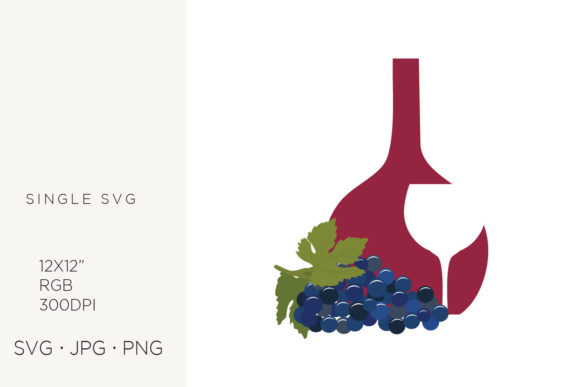
Integrating the Glass of Wine, Winery Logo Icon into Your Creative and Business Workflows
In the modern digital landscape, visual assets are not merely decorative elements; they are functional components of brand identity, marketing strategy, and user experience design. The Glass of Wine, Winery Logo Icon represents a specific yet versatile graphic resource that serves as a foundational building block for businesses in the hospitality, beverage, and lifestyle sectors. Understanding how to effectively integrate this asset into your workflow requires more than just downloading a file. It demands a strategic approach to file management, format selection, and application across various media channels.
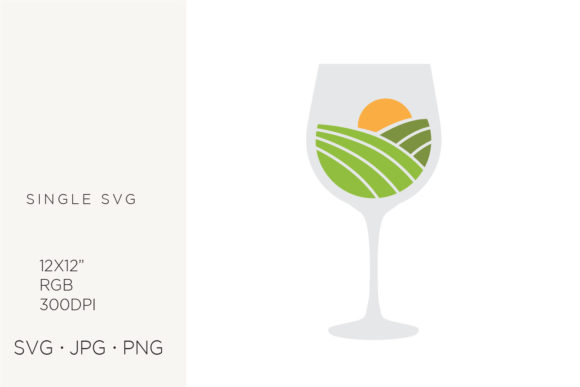
This article explores the practical implementation of the Glass of Wine, Winery Logo Icon, focusing on its technical specifications—specifically the artboard size of 12 x 12 at 300 DPI in RGB color palette—and how these details influence your final output. Whether you are a graphic designer, a small business owner, or a marketing professional, mastering the use of this vector-based asset can streamline your creative process and ensure consistency across all touchpoints.
Understanding the Technical Specifications and File Formats
The utility of any digital graphic element is heavily dependent on its technical foundation. The Glass of Wine, Winery Logo Icon is provided in three distinct formats: SVG, JPG, and PNG. Each format serves a unique purpose within a professional workflow, and knowing when to use which is critical for maintaining quality and efficiency.
- SVG (Scalable Vector Graphics): This is the primary file type for designers working in vector programs like Adobe Illustrator. Because it is vector-based, the image can be scaled to any size without losing resolution. This makes it ideal for large-format printing, such as banners or signage, as well as for web design where crisp rendering on high-resolution screens is necessary.
- JPG (Joint Photographic Experts Group): This raster format is best suited for photographic contexts or when file size needs to be minimized for quick loading on websites. However, it does not support transparency, so it should be used against solid backgrounds.
- PNG (Portable Network Graphics): Offering lossless compression and support for transparent backgrounds, PNG is the go-to format for digital overlays, social media graphics, and presentations where the icon needs to sit seamlessly over other images or colored backgrounds.
The source files are created in Adobe Illustrator, ensuring that the paths are clean and editable. The standard artboard size of 12 x 12 inches at 300 DPI provides a high-resolution baseline. While DPI (dots per inch) is primarily a print metric, starting with a 300 DPI RGB file ensures that you have sufficient pixel density if you need to convert the asset for high-quality printed materials later in the process.
Pre-Production: Preparation and Asset Organization
Before integrating the Glass of Wine, Winery Logo Icon into a specific project, proper preparation is essential. This phase involves organizing your digital library and understanding the compatibility of the asset with your existing tools.
For professionals using Adobe Creative Cloud, importing the SVG file directly into Illustrator allows for immediate customization. You can adjust anchor points, modify stroke weights, or change colors to match your brand’s specific hex codes. This level of control is impossible with raster images like JPGs or PNGs. Therefore, the SVG file should be treated as your "master" asset, stored in a secure, backed-up location.
Consider the color palette during this stage. The files are provided in RGB, which is optimized for screen display. If your project involves printed paper items, such as invitations or stationery, you will need to convert the color profile to CMYK. This conversion can shift colors slightly, so it is prudent to perform a test print to ensure the wine-themed hues remain rich and accurate. Planning for this conversion early prevents costly reprints and ensures color consistency across digital and physical mediums.
Implementation in Brand Identity and Marketing Materials
The core value of the Glass of Wine, Winery Logo Icon lies in its versatility. It is not limited to a single application but can be adapted across a wide range of materials. Here is how you can integrate it into various aspects of your business workflow:
Digital Presence and Web Design
In web design, speed and clarity are paramount. Using the SVG version of the icon ensures that your logo loads quickly and remains sharp on retina displays. You can embed the SVG code directly into your HTML or CSS, allowing for dynamic interactions, such as changing the color of the wine glass on hover. This enhances user engagement without increasing page load times. For blog headers or email newsletters, the PNG format offers a reliable alternative, providing transparency so the icon blends naturally with your layout.
Printed Collateral and Stationery
For tangible items like business cards, menus, and handwritten cards, the high-resolution source file is crucial. When designing invitations or announcements for winery events, the icon can serve as a watermark or a central focal point. Because the original file is vector-based, you can scale it up for large posters or down for subtle footer details without any pixelation. This scalability ensures that your brand looks professional regardless of the medium.
Handmade Crafts and Product Packaging
Entrepreneurs and hobbyists can leverage this asset for physical products. If you are creating handmade craft items, such as custom labels for wine bottles or decorative jewelry tags, the PNG file can be printed on adhesive paper. For more durable applications, such as engraving or laser cutting, the SVG file provides the precise path data needed by manufacturing machines. This bridges the gap between digital design and physical production, allowing for high-quality, customized merchandise.
Workflow Integration and Efficiency Tips
To maximize the efficiency of using the Glass of Wine, Winery Logo Icon, consider adopting a standardized workflow. This reduces decision fatigue and ensures that every team member uses the asset correctly.
- Centralize Your Assets: Create a shared folder accessible to all stakeholders. Include subfolders for each format (SVG, JPG, PNG) and a README file explaining usage guidelines.
- Establish Brand Guidelines: Define clear rules for how the icon can be modified. Specify minimum clear space, acceptable color variations, and prohibited distortions. This maintains brand integrity across all outputs.
- Automate Where Possible: If you frequently use the icon in social media posts, create templates in tools like Canva or Photoshop that already include the PNG version. This speeds up content creation and ensures consistent placement.
- Quality Control Checks: Before publishing or printing, always review the icon at actual size. Check for aliasing in raster formats and ensure that vector paths are closed and clean. This attention to detail prevents amateurish mistakes in final deliverables.
By treating the Glass of Wine, Winery Logo Icon as a integral part of your operational toolkit rather than just a static image, you enhance both the aesthetic quality and the functional efficiency of your projects. Whether you are designing a sophisticated website, printing elegant invitations, or crafting unique party decor, the right preparation and implementation strategies will yield professional results.
Long-Term Usability and Adaptability
As your business or creative endeavors evolve, so too will your design needs. The vector nature of the source file ensures that the Glass of Wine, Winery Logo Icon remains relevant and usable for years. You can easily adapt it for new campaigns, seasonal promotions, or expanded product lines. For instance, during harvest season, you might tweak the color palette to reflect autumn tones, or for a summer event, lighten the hues for a fresher look. The flexibility of the Adobe Illustrator file allows for these adjustments without requiring a complete redesign.
Furthermore, keeping the original vector file secure ensures that you are not dependent on third-party designers for minor updates. This autonomy saves time and money, empowering you to make quick decisions and implement changes rapidly. In a fast-paced market, this agility can be a significant competitive advantage.
In conclusion, the Glass of Wine, Winery Logo Icon is more than a simple graphic; it is a versatile tool that, when managed correctly, enhances brand coherence and operational efficiency. By understanding the technical nuances of SVG, JPG, and PNG formats, preparing your assets for both digital and print environments, and establishing a clear workflow for integration, you can unlock the full potential of this digital element. Whether you are a seasoned designer or a small business owner, applying these practical strategies will help you create impactful, high-quality visuals that resonate with your audience.