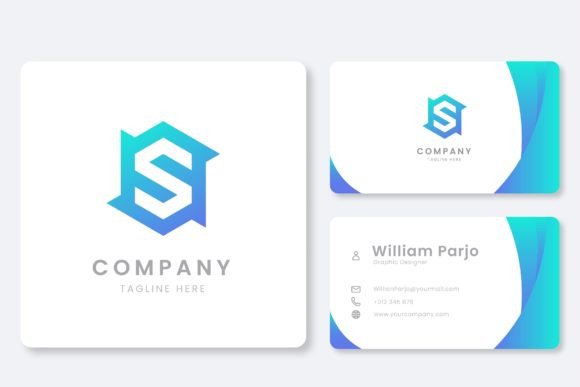
Logo Icon and Business Card Design Essentials
In the fast-paced world of digital branding, first impressions are often formed in milliseconds. Whether a potential client is scrolling through Instagram, scanning a Twitter feed, or picking up a physical card at a networking event, the visual cohesion of your brand identity determines whether they stop to look or keep moving. This is where a well-crafted Logo icon and business card template becomes an invaluable asset for entrepreneurs, marketers, and designers alike. It is not merely about having a pretty image; it is about creating a consistent, professional narrative that translates seamlessly across both print and digital mediums.
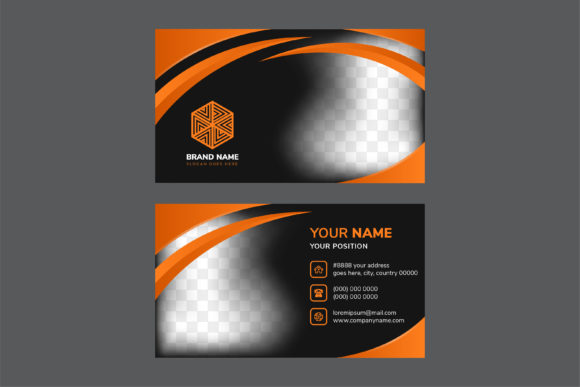
The concept behind this specific design resource is rooted in versatility. By combining a distinct logo icon with a complementary business card layout, you establish a visual anchor for your brand. The design features a clean, modern aesthetic that relies on strong geometric shapes and balanced whitespace. This approach ensures that the core message remains legible and impactful, regardless of the platform. Because the color mode is set to RGB, the visuals are optimized for screen viewing, making them ideal for web designs, social media promotions, and digital publications. However, the structural integrity of the design also allows for high-quality output when adapted for print materials like flyers, posters, or magazines.
Bridging the Gap Between Digital and Print Identity
One of the most common challenges facing small business owners and freelance creatives is maintaining consistency between their online presence and offline collateral. A logo that looks stunning on a backlit smartphone screen might lose its impact when printed on matte paper if the contrast and spacing are not carefully considered. This editable Logo icon and business card package addresses this by providing a unified design language. The included EPS and JPG files ensure that you have vector scalability for large-format prints like event papers and posters, while the rasterized JPGs are ready for immediate use in social media graphics.
Consider the workflow of a modern content creator. You might launch a new service with a coordinated campaign that includes an Instagram announcement, a Facebook event page, and a physical flyer distributed at a local conference. Using a single, cohesive design template for your logo design and contact information ensures that your audience recognizes your brand instantly, regardless of where they encounter it. This repetition builds trust and professionalism. When the visual elements—such as typography, color palette, and iconography—are consistent, your brand feels established and reliable, even if you are a solo entrepreneur just starting out.
The RGB color mode specified in this template is particularly advantageous for digital-first businesses. Since most initial interactions happen on screens, designing in RGB ensures that colors appear vibrant and true to life. Blues remain deep, reds stay punchy, and gradients render smoothly without the banding issues that can sometimes occur when converting CMYK files for web use. For those who need to print these designs, the high-resolution source files allow for easy conversion and adjustment, ensuring that the transition from pixel to ink does not compromise the integrity of your brand identity.
Customization for Authentic Brand Storytelling
Templates are often criticized for feeling generic, but this criticism usually stems from poor customization rather than the template itself. The true value of an editable Logo icon and business card lies in its adaptability. Because every element is fully customizable, you can infuse the design with your unique brand personality. Whether you are a minimalist architect, a vibrant lifestyle blogger, or a corporate consultant, the underlying structure supports various stylistic directions.
Editing the text is straightforward, allowing you to experiment with different taglines, job titles, and contact details. This flexibility is crucial for editorial design and promotional materials where messaging changes frequently. For instance, a magazine spread might require a different emphasis on contact information compared to a standard business card. With this template, you can adjust the hierarchy of information to suit the specific context. You might choose to highlight your website URL on a digital flyer while emphasizing your phone number on a printed handout for a local event.
Furthermore, the inclusion of EPS files means you are working with vector graphics. This is essential for packaging design or large-scale signage where pixelation is not an option. You can resize the logo icon to fit a tiny favicon or a massive billboard without losing clarity. This scalability is a hallmark of professional design assets. It empowers non-designers to produce high-quality materials that rival those created by agencies, provided they take the time to understand the basics of layout and alignment.
Strategic Application Across Marketing Channels
To maximize the return on your design efforts, it is important to deploy your Logo icon and business card strategically across various channels. Here are practical ways to leverage this template for different aspects of your business:
- Social Media Profiles: Use the logo icon as your profile picture across Instagram, Twitter, and Facebook. Consistency here aids in immediate recognition. Use the business card layout as a template for "Link in Bio" graphics or story highlights covers.
- Email Signatures: Adapt the business card design into a horizontal banner for your email signature. This turns every outgoing email into a mini advertisement for your services.
- Digital Publications: If you publish e-books or whitepapers, use the logo icon as a watermark and the business card layout as a final call-to-action page. This drives readers to connect with you after consuming your content.
- Event Promotion: For webinars or physical workshops, use the template to create event tickets, badges, or promotional posters. The cohesive look reinforces the professionalism of the event.
- Press Kits: Include the high-resolution logo and a digital version of the business card in your media kit. Journalists and partners appreciate having ready-to-use, branded assets.
When utilizing these assets, pay attention to visual hierarchy. Ensure that the most important information—usually your name or primary service—is the most prominent element. Secondary information, such as social media handles or secondary phone numbers, should be smaller but still legible. This guides the viewer’s eye naturally through the design, enhancing readability and engagement.
Technical Considerations for Professional Results
While the template is designed to be user-friendly, a few technical best practices will ensure your final output looks polished. First, always keep a backup of the original PSD file before making significant changes. This allows you to revert if a design choice does not work out. Second, when editing text, stick to fonts that complement the existing style. If the template uses a clean sans serif font, avoid pairing it with a overly decorative script font unless you have a strong eye for font pairing. Clashing typefaces can undermine the modern, professional appeal of the design.
Additionally, consider the context in which your design will be viewed. For mobile users, ensure that text sizes are large enough to be read on small screens. For print, double-check that any critical elements are not too close to the edge, as cutting tolerances can vary. Although the primary mode is RGB, if you are printing professionally, consult with your printer about color profiles to ensure accuracy.
Ultimately, this Logo icon and business card template is more than just a collection of files; it is a foundation for building a recognizable and trustworthy brand. By understanding how to customize and deploy these assets effectively, you can elevate your marketing materials from amateur to professional, fostering deeper connections with your audience across every touchpoint. Whether you are refining your web design or preparing for a major trade show, having a cohesive, editable design system in place is one of the smartest investments you can make for your business growth.