Understanding the Tech Monogram: A Practical Guide to the Digital Initial Letter E
In the evolving landscape of digital design and personal branding, the Tech Monogram has emerged as a distinct aesthetic choice for individuals and businesses seeking a modern, streamlined identity. At the heart of this trend is the Digital Initial Letter E, a versatile graphic element that bridges the gap between traditional typography and contemporary digital art. For designers, crafters, and entrepreneurs, understanding the nuances of these assets—specifically those delivered as high-resolution vector files—is crucial for making informed decisions about their creative projects.
This article explores the characteristics of the Tech Monogram, evaluates its utility across various mediums, and compares it with alternative design approaches to help you determine if it aligns with your specific needs.
Defining the Tech Monogram and Its Core Attributes
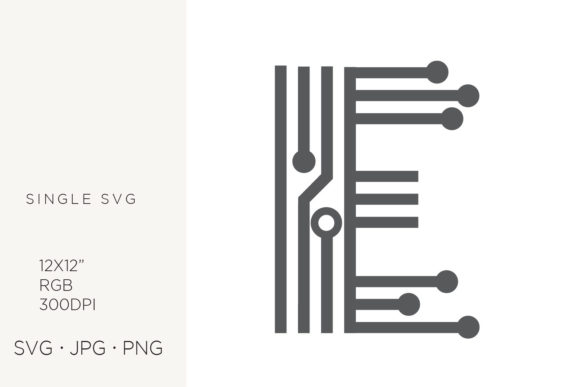
A Tech Monogram is not merely a letter; it is a stylized representation of an initial, often characterized by clean lines, geometric precision, and a futuristic or minimalist appeal. When focusing on the Digital Initial Letter E, the design typically emphasizes symmetry and balance, making it suitable for a wide array of applications. The "tech" aspect refers to the visual language—often incorporating sans-serif fonts, sharp angles, or subtle digital motifs that convey innovation and clarity.
The technical specifications of these assets play a significant role in their usability. High-quality digital monograms are usually created in vector programs like Adobe Illustrator. This ensures that the artwork remains crisp and scalable regardless of size. Key technical features include:
- Artboard Size: Standardized at 12 x 12 inches, providing a square format that is ideal for social media profiles, stickers, and print layouts.
- Resolution: While vectors are resolution-independent, accompanying raster files (JPG, PNG) are typically rendered at 300 DPI, ensuring print-ready quality for physical products.
- Color Palette: Designed in RGB, which is optimal for digital screens, web design, and modern printing processes that utilize broad color gamuts.
- File Formats: The inclusion of SVG, JPG, and PNG formats offers flexibility. SVG allows for infinite scaling and code-based manipulation, while PNG provides transparency for layering, and JPG offers a universal standard for quick previews.
Comparing Vector Monograms with Alternative Design Options
When evaluating design resources, it is essential to compare the Tech Monogram approach with other available options. Understanding these differences helps in selecting the right tool for the job.
Vector vs. Raster-Only Assets
Many free or low-cost clipart options are provided solely as raster images (JPG or PNG). While these are easy to use, they lack the scalability of vector files. If you attempt to enlarge a raster-only letter E for a large wall art piece or a banner, the image will pixelate and lose clarity. In contrast, a Tech Monogram created in Adobe Illustrator and saved as an SVG maintains perfect edge definition at any size. For professionals who need to adapt designs across multiple scales—from small jewelry tags to large signage—the vector format is indispensable.
Custom Typography vs. Pre-Made Clipart
Another alternative is commissioning custom typography or designing a monogram from scratch. While this offers complete uniqueness, it requires significant time, skill, and expense. Pre-made digital initial letters offer a middle ground. They provide a polished, professional look without the overhead of custom design. However, users must be aware of licensing terms. Most pre-made clipart is intended for end-product creation (such as printed cards) rather than resale as standalone digital assets. Evaluating your intended use case is critical before purchasing.
Minimalist Tech Style vs. Ornate Script
Stylistically, the Tech Monogram differs significantly from ornate, calligraphic, or vintage monograms. Script styles evoke tradition, elegance, and warmth, making them suitable for weddings or luxury brands. The Tech Monogram, with its clean and geometric structure, conveys modernity, efficiency, and neutrality. This makes it a better fit for tech startups, modern stationery, gender-neutral party decor, and contemporary web design. Choosing between these styles depends largely on the brand personality or emotional tone you wish to project.
Practical Applications and Use Cases
The versatility of the Digital Initial Letter E allows it to function effectively across diverse industries and hobbies. Here are some practical scenarios where these assets excel:
- Logo Design: For small businesses or personal brands, a tech-style monogram can serve as a primary logo or a secondary mark. Its simplicity ensures recognizability on favicons and app icons.
- Wall Art and Home Decor: The 12 x 12 inch artboard size is easily scalable for canvas prints or framed posters. The high 300 DPI resolution ensures that printed details remain sharp.
- Handmade Craft Items: Crafters using cutting machines (like Cricut or Silhouette) benefit greatly from SVG files. The vector paths allow for precise cutting of vinyl, paper, or fabric, enabling the creation of custom decals, iron-ons, and stencils.
- Stationery and Invitations: Whether for birthdays, corporate events, or announcements, the monogram can be layered over backgrounds in design software. The PNG format with transparency simplifies this process, allowing the letter to sit seamlessly over textured papers or digital backgrounds.
- Jewelry and Accessories: Designers creating laser-cut acrylic or metal jewelry can use the vector outlines to generate precise cut files. The geometric nature of tech monograms often translates well to rigid materials.
- Web and Graphic Design: Web designers can embed SVG code directly into websites for fast-loading, crisp icons. This improves site performance and visual consistency across different screen resolutions.
Evaluating Limitations and Decision Factors
While the Tech Monogram offers numerous advantages, it is not a one-size-fits-all solution. Recognizing its limitations helps prevent mismatched expectations.
Lack of Uniqueness: Since these are pre-made digital elements, other users may have access to the same design. If brand distinctiveness is your highest priority, you may need to modify the asset significantly or combine it with other unique graphic elements. Relying solely on a stock monogram may result in a generic appearance.
Technical Learning Curve: To fully leverage the benefits of SVG and vector files, users need familiarity with design software like Adobe Illustrator, Inkscape, or CorelDRAW. While JPG and PNG files are plug-and-play, unlocking the true potential of the vector format requires some technical skill. Beginners may find themselves limited to the raster formats unless they invest time in learning vector editing.
Color Constraints: Although the files are provided in RGB, converting them for specific print processes (like CMYK for offset printing) may require color adjustment. Colors on screen often appear more vibrant than in print. Users should always perform test prints to ensure color accuracy, especially for brand-critical items.
When to Choose a Tech Monogram
The Tech Monogram, Digital Initial Letter E is an excellent choice when you need a balance of professionalism, modernity, and versatility. It is particularly suitable for:
- Startups and Tech-Oriented Brands: Where a clean, forward-thinking image is essential.
- DIY Enthusiasts: Who need reliable, high-quality files for crafting and personal projects.
- Web Designers: Who require scalable, lightweight graphics for user interfaces.
- Event Planners: Looking for cohesive, modern themes for parties and announcements.
However, if your project demands a hand-drawn, organic feel, or if you require exclusive rights to the design, you may need to explore custom illustration services or more ornate, specialized typography libraries.
Making an Informed Decision
Selecting the right digital asset involves assessing your technical capabilities, end-use requirements, and aesthetic goals. The Tech Monogram offers a robust foundation for modern design, provided you understand how to utilize its vector capabilities. By comparing it against raster-only alternatives and considering the stylistic implications of its geometric design, you can determine whether it fits your project.
Always review the file formats provided. Ensure that the inclusion of SVG, JPG, and PNG meets your workflow needs. If you plan to scale the design significantly, prioritize the vector file. If you are working primarily with digital screens, the RGB color palette and PNG transparency will be your most valuable tools. Ultimately, the value of the Digital Initial Letter E lies in its adaptability. When used thoughtfully, it can elevate a wide range of creative outputs, from simple handmade cards to complex web interfaces.